
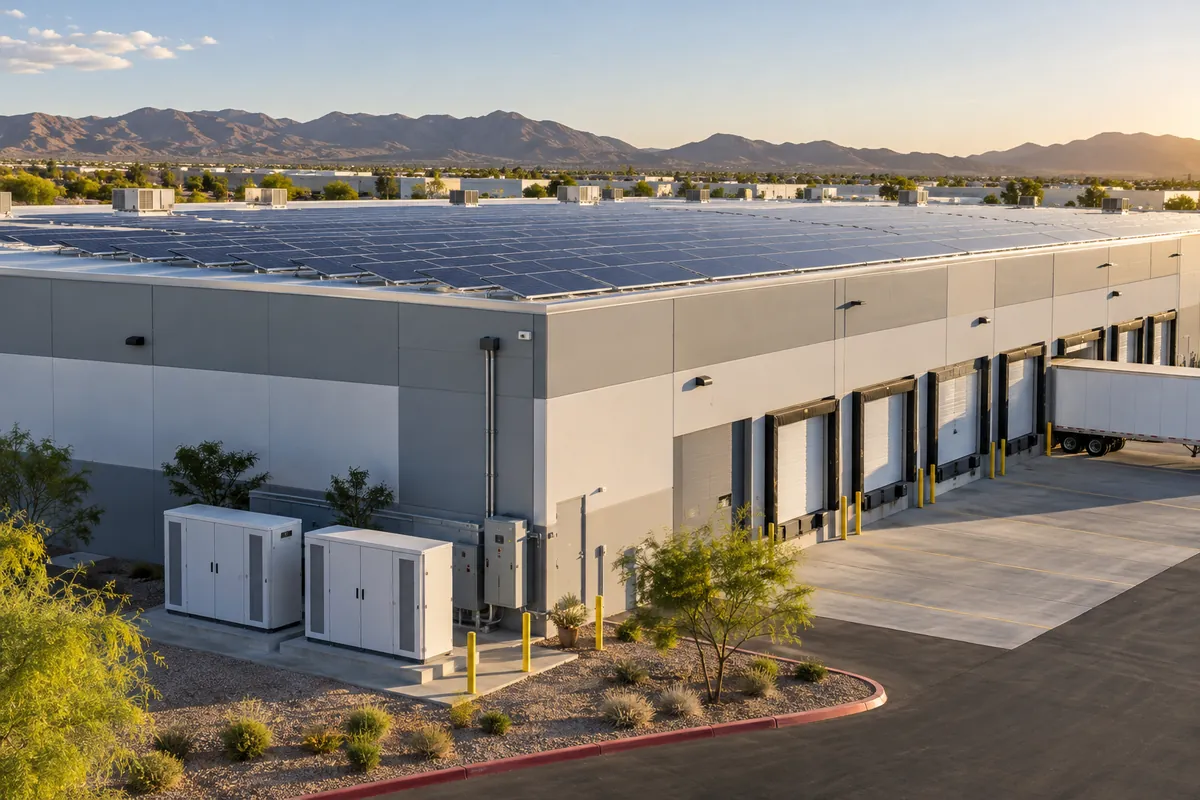
How to Size a Utility Scale BESS
Start with interval load data, peak demand, ambient temperature, tariffs and the required discharge window.
Selection notes for project owners, engineers and installers planning grid scale battery storage containers and utility battery storage systems.
Start with interval load data, peak demand, ambient temperature, tariffs and the required discharge window.

Compare footprint, capacity, liquid cooling integration and expansion strategy for different project scales.

Understand how system scale, ambient temperature, heat density and maintenance shape cooling selection.
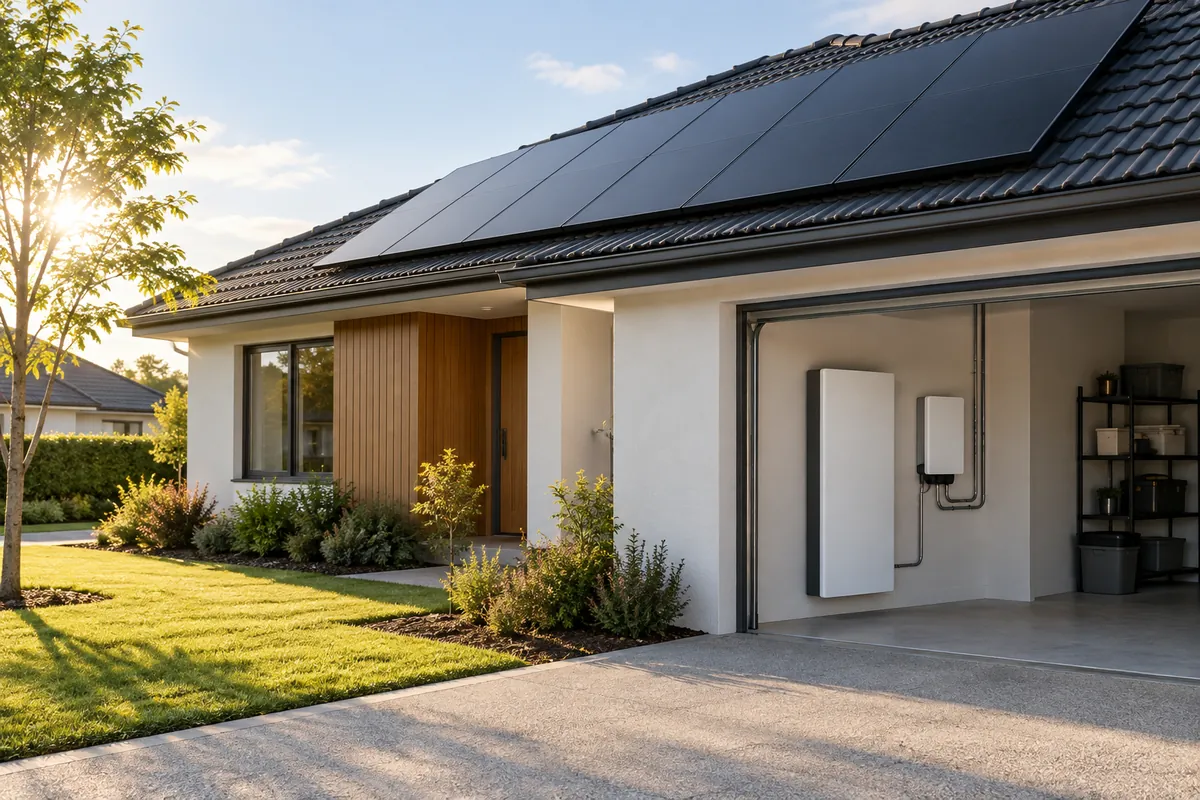
Separate essential loads from total demand, then define the desired backup hours and solar recharge window.

Review module power, efficiency, dimensions, temperature behaviour, mounting compatibility and site conditions.
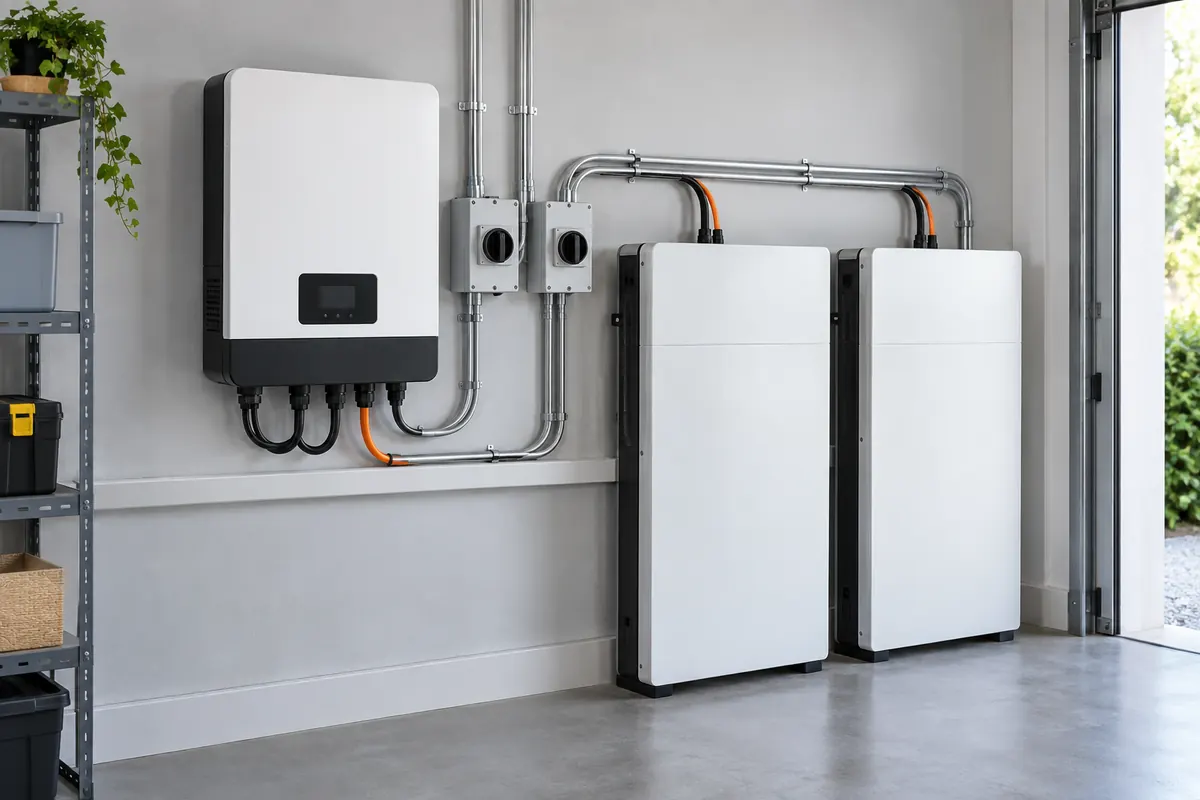
Match the inverter topology to grid conditions, battery voltage, critical loads and generator integration.

Coordinate generation, battery reserve, generator loading and control priorities for reliable remote power.

Learn how metering, dispatch rules, alarms and remote monitoring coordinate cooling, batteries, grid and loads.
Please provide the site location, load profile, peak demand, ambient temperature, target capacity, backup duration, grid voltage and installation conditions.
Yes. Power, usable energy, liquid coolant loop, container size, electrical interface, reserve strategy and monitoring can be matched to the project requirements.
Hybrid configurations can coordinate these sources when the selected inverter, switchgear and energy management strategy support the intended operating mode.
Utility scale battery storage cost depends on cell chemistry, container size, cooling method, fire protection scope, EMS features, warranty length and delivery location. Sharing your load profile and site conditions lets our team prepare a configured quotation.
Our team can help review utility scale BESS sizing, product selection and integration requirements.